
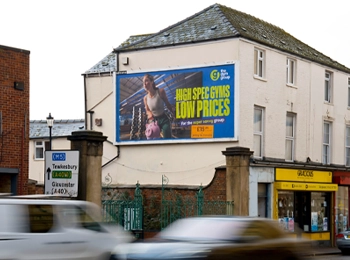
Bus stop advertising has been around for years, but it still has a clear place in modern marketing. It puts brands in front of people in busy, everyday locations, from town centres and shopping areas to main roads, commuter routes and local communities.
While digital advertising is often focused on clicks, bus stop ads do something different. They build real-world visibility. People see them while waiting, walking, driving past or travelling through areas they already know.
So, is bus stop advertising still worth it? For many campaigns, yes.
Bus Stop Advertising Gives Brands Local Visibility
One of the biggest strengths of bus stop advertising is how local it can be.
A bus stop ad can place a business directly in front of people in a chosen area. That could be close to a high street, near a retail park, outside a busy junction, or along a route people use every day.
For local businesses, this can be especially useful. The advert is not hidden away online or competing in a crowded feed. It is part of the local environment, seen by people who live, work, shop or travel nearby.
This makes bus stop advertising a strong option for businesses that want to build awareness in specific towns, cities or local areas.
Bus Stop Ads Reach Pedestrians and Traffic
A good bus shelter advert does not only reach people waiting for a bus. It can also be seen by pedestrians, drivers, cyclists, passengers and people moving through the area throughout the day.
This gives the format a useful mix of exposure. Some people will see the advert up close while waiting. Others will notice it while passing by.
That makes bus stop ads useful for campaigns that need both footfall visibility and roadside presence. They can work well for shops, events, services, public campaigns, launches and brands that want to be seen in busy local spaces.
They Work Well in Town and City Campaigns
Bus stops are often placed in areas where people naturally gather or pass through. This includes high streets, retail areas, transport links, schools, offices, leisure areas and residential routes.
For town and city campaigns, that can make them very effective. The advert becomes part of a daily route, rather than a one-off impression.
When planned properly, bus stop advertising can help a brand appear across several familiar locations, building stronger recognition over time.
Repeated Exposure Helps People Remember the Brand
One of the reasons outdoor advertising works is repetition.
People often travel the same routes. They pass the same bus shelters, junctions and local areas again and again. A bus stop ad can be seen multiple times by the same audience, which helps the message become more familiar.
This is useful because people may not act the first time they see an advert. They may remember it later, search for the business, visit the website, or recognise the brand when they need it.
Outdoor advertising is not always about instant response. Often, it is about building awareness and trust over time.
Bus Shelter Ads Are Simple and Direct
A bus shelter ad does not need to overcomplicate the message. In fact, it usually works best when it stays simple.
A clear headline, strong visual, recognisable brand and simple call to action are often enough. People should be able to understand the advert quickly, whether they are standing next to it or passing by.
This is where the format is similar to 6 sheet advertising. The space needs to be used carefully, with a clear message that can be noticed and remembered.
They Can Support Wider Outdoor Campaigns
Bus stop advertising does not need to work on its own. It can also support a wider outdoor campaign.
For example, a business might use larger billboard formats for broader reach, while using bus stop ads to strengthen visibility in more focused local areas. This can help create a more joined-up campaign across roads, high streets and pedestrian spaces.
Combining formats can make a campaign feel more present. People may see the same brand in different places, which helps build recognition and familiarity.
For businesses looking at wider campaign planning, adframe’s outdoor advertising options cover a range of formats for different locations and goals.
Is Bus Stop Advertising Right for Every Campaign?
Not always. The right format depends on the goal of the campaign.
If the aim is large-scale roadside impact, a bigger billboard format may be the better choice. If the aim is local visibility, high street presence or repeated exposure in a specific area, bus stop advertising can be a very strong option.
It comes down to audience, location, message and timing. A well-placed bus stop ad with a clear message can often do more than a larger campaign in the wrong place.
Final Thoughts
Bus stop advertising is still worth considering for businesses that want visible, local and repeated exposure. It works well in towns and cities, reaches both pedestrians and passing traffic, and gives brands a clear presence in everyday public spaces.
The key is to keep the message simple and choose locations that match the people you want to reach.
When used well, bus stop ads remain a practical and effective part of outdoor advertising.